
Most of what a company keeps digitally could never really be usefully searched: lack of indexes, inconsistent formats, scattered locations. AI changes all of that.
Everything a company stores falls into one of two piles:
Rows and columns. SKUs, Order numbers, dates, dollar amounts. Computers have handled this for over forty years.
Databases · billing systems · payroll · inventory counts
Everything written, spoken, scanned, or filmed. No tidy shape, so traditional IT systems could store it but not read it.
Contracts · emails · scans · photos · recordings · logs
Most of what a company keeps is the messy kind: 80%-90% lack indexes or coherent structure.
No team can read that.
The old search was simple and weak. You typed words, and the computer looked for those exact words. Type "slip and fall" when the report said "fell on a wet floor," and you got nothing.
So companies wrote custom programs to try and dig out one answer at a time: manually think up every variation and hard-code it into the searches. This was slow, costly, and becomes stale as soon as the question changed.
The new AI search works by meaning, not spelling. Every document gets a place on a map of ideas, and things that mean the same sit near each other. So the two phrases above land side by side.
The old search was an index card in the catalog where you needed the exact title. The new one is a librarian who has read every book. Describe what you need, and they bring the right pages.
The big evolution here is the resolution of the answer. The AI does not search once and hand back a list, it circles back until it has enough to answer.
In plain language
By meaning, not spelling
And spots what's missing
Or searches again
Steps 2 and 3 repeat as many times as needed. That looping is why it can handle a messy question a plain search would choke on.
Two things had to be true: the files stay put, and the AI comes to them.
The data and records are already there, and companies have paid to keep them. What was missing until now was a way to ask a question and get a real answer back.
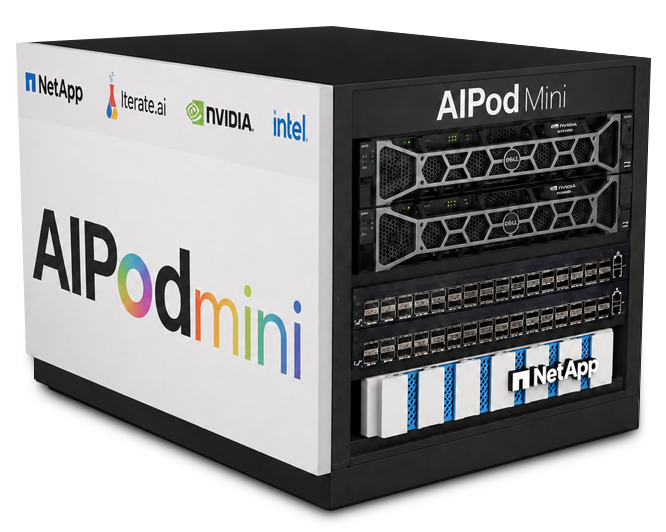
A joint educational series on private AI and the AIPod Mini. NetApp — the governed data-control layer. Iterate.ai — the private intelligence layer.